

How Infrared Saunas are Different from Traditional Saunas
2026 Jan 16th
While sauna has long been celebrated for its benefits to the human body, there are well-studied differences in the benefits of traditional sauna and infrared sauna.
Summary
Infrared saunas heat the body directly using infrared light, while traditional saunas heat the air to warm the body indirectly. Traditional saunas operate at higher temperatures and can feel more intense, whereas infrared saunas work at lower temperatures and are often more comfortable for longer sessions. Both promote sweating and relaxation, but infrared is commonly preferred for regular, consistent use.
For centuries, saunas have symbolized restoration, warm spaces where body and mind reconnect. Today, a new evolution of this ancient ritual is reshaping modern wellness. Infrared saunas use infrared wavelengths, not air temperature, to gently heat the body from within, creating a deeper and more comfortable therapeutic experience.
Unlike traditional saunas, which rely on intensely heated air, infrared saunas invite calm. They offer the same cleansing sweat but with a soothing warmth that encourages you to stay longer, breathe easier, and emerge radiant.
Science now supports what wellness seekers have long felt: infrared saunas don’t just relax you, they support your body's healing process, how it performs, and how it adapts to stress.
Infrared vs. Traditional Saunas: What’s the Real Difference?
Infrared saunas work differently. Traditional saunas heat the air around you to 160-200°F (70–100°C), warming the skin’s surface through convection. Infrared saunas, by contrast, use invisible wavelengths of light that penetrate beneath the skin, raising your core temperature directly.
Operating at a more comfortable 100-150°F (38-66°C), these wavelengths stimulate a deep sweat and cardiovascular response. It mimicks the benefits of moderate exercise without the strain. Clinical research shows that far-infrared heat improves circulation and detoxification via sweat at lower ambient temperatures, creating a restorative wellness experience.1
How Infrared Heat Helps Your Body Recover and Renew
For those who live actively, from dedicated athletes to weekend wellness enthusiasts, recovery defines performance and longevity. Infrared therapy accelerates this process, working at the cellular level to restore balance and resilience.
A 2025 study found that athletes who integrated infrared sauna sessions after training experienced measurable gains in power and recovery metrics compared to traditional methods.2 Similarly, research published in Biology of Sport demonstrated that far-infrared exposure enhances blood flow and neuromuscular function, reducing muscle soreness while improving energy recovery.3
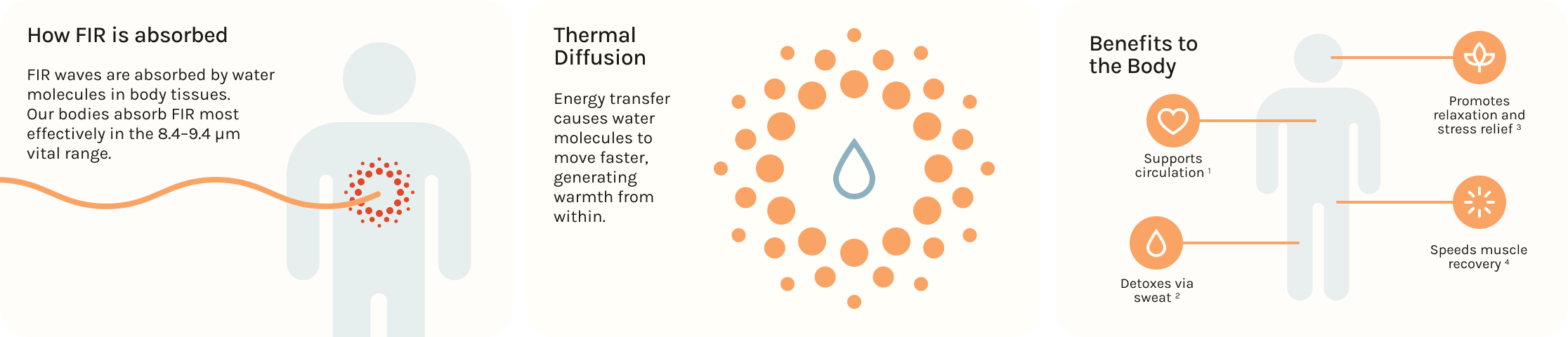
Infrared saunas become more than a luxury, they’re a science-backed recovery ritual for those who value performance, balance, and vitality.
Heart Health, Circulation, and the Power of Gentle Heat
Infrared saunas strengthen the heart as gently as they warm the skin. Clinical studies show that regular sessions can improve circulation and blood vessel function, offering benefits comparable to low-intensity exercise.
Research suggests infrared sauna use may support circulation and cardiovascular function through gentle thermal stress, producing physiological responses similar to light physical activity.
A 2025 Frontiers in Cardiovascular Medicine review echoed these results, finding that sauna therapy supports cardiovascular health by improving endothelial function and reducing vascular stiffness.5
For those seeking longevity without strain, infrared heat offers a calm, intelligent way to nurture the heart.
The Mind–Body Connection: How Infrared Eases Stress and Restores Balance
Wellness is as much emotional as it is physical. Infrared saunas create a tranquil environment that naturally balances the nervous system, easing the mind while renewing the body. Sauna bathing is associated with improved self-reported relaxation and reduced symptoms of stress in various populations, though it noted that most of this evidence comes from subjective reports and observational data rather than randomized controlled trials.9
Physiologically, sauna use influences hormonal pathways linked to stress response, such as reductions in cortisol levels and increases in endorphins and growth hormone, which may underlie mood improvements and feelings of relaxation.
Comfort That Encourages Consistency (and Results)
Consistency is what transforms benefits into lasting change. Infrared saunas can provide benefits even at lower temperatures than traditional models, removing the intensity that often deters regular use.
A 2024 study reported that users achieved the same cardiovascular and thermoregulatory effects at significantly lower temperatures, improving adherence and overall wellbeing.8 This makes infrared therapy ideal for daily practice: approachable, luxurious, and easy to integrate into your rhythm of life.
A Ritual for Radiance: The Lasting Benefits of Infrared Sauna Therapy
Infrared sauna therapy isn’t a fleeting wellness trend; it’s a grounded, science-supported evolution of self-care. Each session gently strengthens your body’s natural systems, improving recovery, supporting heart health, easing stress, and promoting radiant wellbeing from the inside out.
For those investing in longevity and balance, this is the kind of luxury that pays back in energy, clarity, and calm. Infrared therapy doesn’t just change how you feel, it changes how you live.
Frequently asked questions
- Are infrared saunas better than traditional saunas?
Infrared saunas use light-based heat that warms the body directly, not the air. This allows for a deeper sweat, improved circulation, and holistic benefits even at lower temperatures. Studies show infrared sessions can deliver comparable or greater cardiovascular and recovery benefits with less physical strain. - What are the main health benefits of infrared sauna therapy?
Infrared therapy supports heart health, muscle recovery, detoxification via sweat, and relaxation. Long-term sauna therapy studies also show a reduction in cardiac deaths. - Can infrared sauna sessions help with stress and mental wellbeing?
Yes. Infrared heat activates the parasympathetic nervous system, easing stress and promoting calm. Studies show consistent use can enhance relaxation and cognitive function, supporting overall emotional resilience. - How often should you use an infrared sauna?
Most people benefit from 3–5 sessions per week, lasting 20–40 minutes. Because infrared heat is gentle, shorter daily sessions can also support ongoing recovery, circulation, and stress relief — helping you feel balanced and restored.
References
- Sauna bathing and cardiovascular health
- Post-exercise infrared therapy and athletic recovery
- Infrared heat and neuromuscular recovery
- Acute vascular responses to sauna therapy
- Sauna use as a cardiovascular therapy
- Infrared therapy in integrative depression treatment
- Brain relaxation and neural efficiency in sauna bathing
- Thermal stress and blood pressure responses in sauna users
- Clinical Effects of Regular Dry Sauna Bathing
This content is for informational purposes only and should not be considered medical advice. Always consult your healthcare provider before beginning any new wellness or sauna routine.